
Konvoy is a thesis driven investment firm.
Konvoy’s Weekly Newsletter:
Your go-to for the latest industry insights and trends. Learn more here.
©KONVOY, 2025.
DisclosuresKonvoy’s Weekly Newsletter:
Your go-to for the latest industry insights and trends. Learn more here.
©KONVOY, 2025.
DisclosuresConsumer Platforms VC shaping how people connect, create, and transact.
Konvoy backs founders building products that redefine user behavior, unlock massive distribution, and scale into category-leading platforms.

Deep Tech
Gaming & Consumer Platforms
Invested:
October 2025
Location:
To be announced
Remote forestry operations
Stealth

Deep Tech
Gaming & Consumer Platforms
Invested:
September 2025
Location:
San Francisco, California
tscircuit is building a code-based EDA solution to bridge the gap between software and hardware engineers.
tscircuit

Deep Tech
Gaming & Consumer Platforms
Invested:
May 2025
Location:
To be announced
Web-based OS
Stealth

Platforms that scale quickly through network effects and repeat engagement.
Shifts in how people connect, buy or create open fresh market opportunities.
Data-driven experiences that improve continuously as usage increases.
We’re also open to other Consumer Platforms fields.
Explore the latest content on Consumer Platforms. We cover how user behavior is evolving, which monetization models are gaining traction and what trends are shaping the next generation of digital products.
Oops! There is no content matching your search. Try using different filters
Oops! There is no content matching your search. Try using different filters


Newsletter
Jun 4, 2021
The shift towards more scalable mobile distribution channels
Newsletter
Feb 26, 2021
NFTs are changing the way gamers view their assets
LatAm's location-based gig economy has seen rapid growth since the early 2010s, fueled by the spread of ride-hailing services and delivery apps across major markets. The pandemic drove further expansion in delivery services while ride-hailing briefly faltered. In recent years, intra-regional migration has provided a steady influx of gig workers, increasing service affordability and overall adoption. Looking ahead, we expect the gig economy in LatAm to see continued growth — not just in transportation and delivery but also in new service sectors and supporting businesses geared toward the unique needs of LatAm gig platforms and their workers.
AI-powered content feeds like Meta’s Vibes and OpenAI’s Sora are changing the way people discover and share creativity online, opening up new creative tools and opportunities for personal expression. At the same time, it is no longer enough to watch these changes happen. We need to confront, question, and challenge how they are reshaping engagement itself and dictating which interactions survive. Those who fail to study how these technologies evolve will be blind to both their disruption and the consequences that come as they dominate everyday life across almost every facet of society.
As web shops move from regulatory curiosity to industry standard, the opportunity for game developers has never been greater—but so too are the responsibilities. The new web shop paradigm promises higher margins, operational independence, and richer direct-to-consumer relationships. However, it also introduces new operational and compliance burdens previously shielded by platform gatekeepers. Ultimately, the winners will not be those who merely adopt web shops, but those who harness this new infrastructure to deliver genuinely better experiences for both players and businesses—balancing efficiency, trust, and innovation. The path forward will reward those who can embrace these tools to not only recapture revenue but reimagine what value looks like in a world where the walls are finally coming down.
Control and Value Define the Future of Digital Identity We believe that the most successful companies creating digital fingerprints for users will offer consumers three things: 1) control (or partial control) of their data; 2) a share in the economic value that is created; and 3) seamless integration into the consumer’s online behaviors. Today, many companies might have one (or perhaps two) of these aspects, yet we believe all three will be key aspects of some of the world’s most valuable consumer facing companies going forward. In video gaming, there is a natural convergence of digitally native consumers who are quite savvy about their digital footprint. We expect that gaming companies, especially the next wave of early-stage founders, will play a major role in this trend as it unfolds over the next five years.
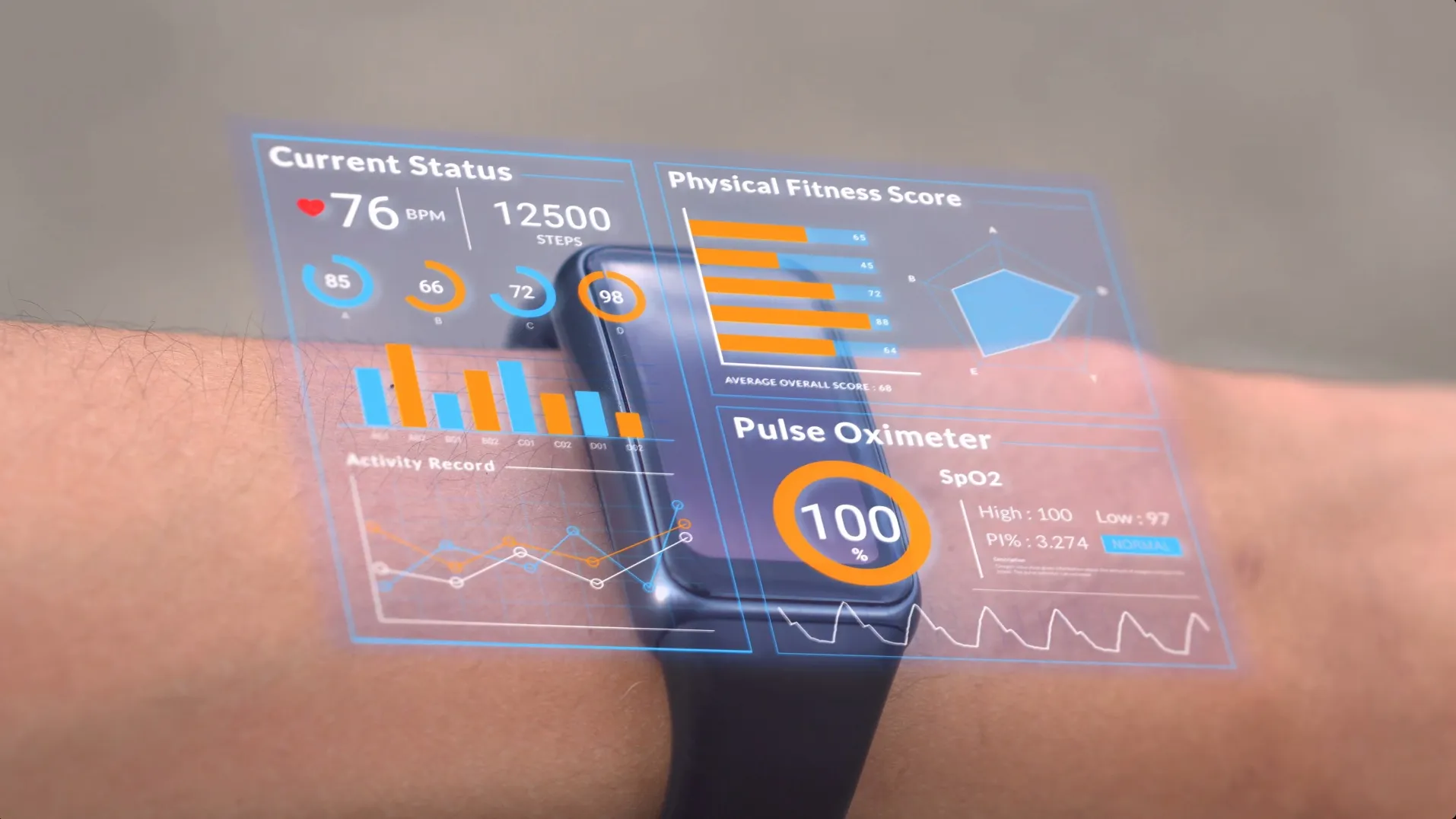
Phones are here to stay, but the way we use them is evolving. We anticipate that phones will increasingly be valued as powerful computing devices, prized for their efficiency and capabilities. In the coming years, we will rely less on physically interacting with our phones, which could help us break the habit of spending hours staring at our screens, without losing the benefits these devices offer. Looking ahead, the combination of new interactivity layers with AI and our phones’ computing power will create a seamless connection between our physical and digital worlds. This shift will empower people to stay present and engaged in the moment, while still enjoying the convenience and value that mobile technology provides.
LatAm's location-based gig economy has seen rapid growth since the early 2010s, fueled by the spread of ride-hailing services and delivery apps across major markets. The pandemic drove further expansion in delivery services while ride-hailing briefly faltered. In recent years, intra-regional migration has provided a steady influx of gig workers, increasing service affordability and overall adoption. Looking ahead, we expect the gig economy in LatAm to see continued growth — not just in transportation and delivery but also in new service sectors and supporting businesses geared toward the unique needs of LatAm gig platforms and their workers.
AI-powered content feeds like Meta’s Vibes and OpenAI’s Sora are changing the way people discover and share creativity online, opening up new creative tools and opportunities for personal expression. At the same time, it is no longer enough to watch these changes happen. We need to confront, question, and challenge how they are reshaping engagement itself and dictating which interactions survive. Those who fail to study how these technologies evolve will be blind to both their disruption and the consequences that come as they dominate everyday life across almost every facet of society.
As web shops move from regulatory curiosity to industry standard, the opportunity for game developers has never been greater—but so too are the responsibilities. The new web shop paradigm promises higher margins, operational independence, and richer direct-to-consumer relationships. However, it also introduces new operational and compliance burdens previously shielded by platform gatekeepers. Ultimately, the winners will not be those who merely adopt web shops, but those who harness this new infrastructure to deliver genuinely better experiences for both players and businesses—balancing efficiency, trust, and innovation. The path forward will reward those who can embrace these tools to not only recapture revenue but reimagine what value looks like in a world where the walls are finally coming down.
Control and Value Define the Future of Digital Identity We believe that the most successful companies creating digital fingerprints for users will offer consumers three things: 1) control (or partial control) of their data; 2) a share in the economic value that is created; and 3) seamless integration into the consumer’s online behaviors. Today, many companies might have one (or perhaps two) of these aspects, yet we believe all three will be key aspects of some of the world’s most valuable consumer facing companies going forward. In video gaming, there is a natural convergence of digitally native consumers who are quite savvy about their digital footprint. We expect that gaming companies, especially the next wave of early-stage founders, will play a major role in this trend as it unfolds over the next five years.
Phones are here to stay, but the way we use them is evolving. We anticipate that phones will increasingly be valued as powerful computing devices, prized for their efficiency and capabilities. In the coming years, we will rely less on physically interacting with our phones, which could help us break the habit of spending hours staring at our screens, without losing the benefits these devices offer. Looking ahead, the combination of new interactivity layers with AI and our phones’ computing power will create a seamless connection between our physical and digital worlds. This shift will empower people to stay present and engaged in the moment, while still enjoying the convenience and value that mobile technology provides.





.webp)

.webp)
.webp)

.jpg)
.jpg)
.png)
.jpg)
.jpg)
.png)

.png)
.png)
.png)

.webp)
.webp)
.webp)
.webp)
.webp)
.webp)
.webp)
.webp)
.webp)

.webp)



.webp)

.webp)

.webp)


.webp)


.webp)

.webp)
.webp)
.webp)
.webp)
.webp)
.webp)


.webp)
.webp)


.webp)
.webp)

.webp)
.avif)
.avif)

.avif)
.avif)
.avif)
.png)

.avif)
.avif)
.avif)
.avif)
.avif)


.avif)
.avif)

.avif)
.avif)
.avif)
.avif)
.avif)
.avif)
.avif)
.avif)
.avif)


.avif)


.avif)
.avif)
.avif)
.avif)
.avif)

.avif)
.avif)

.avif)
.avif)


.avif)
.avif)
.avif)

.avif)


.avif)
.avif)
.avif)
.avif)
.avif)
.avif)

.avif)

.avif)


.avif)


.avif)
.avif)


.avif)

.avif)
.avif)

.avif)


.avif)
.avif)
.avif)
.avif)

.avif)
.avif)

.avif)
.avif)


.avif)




.avif)

